01
Natural Plant Sources
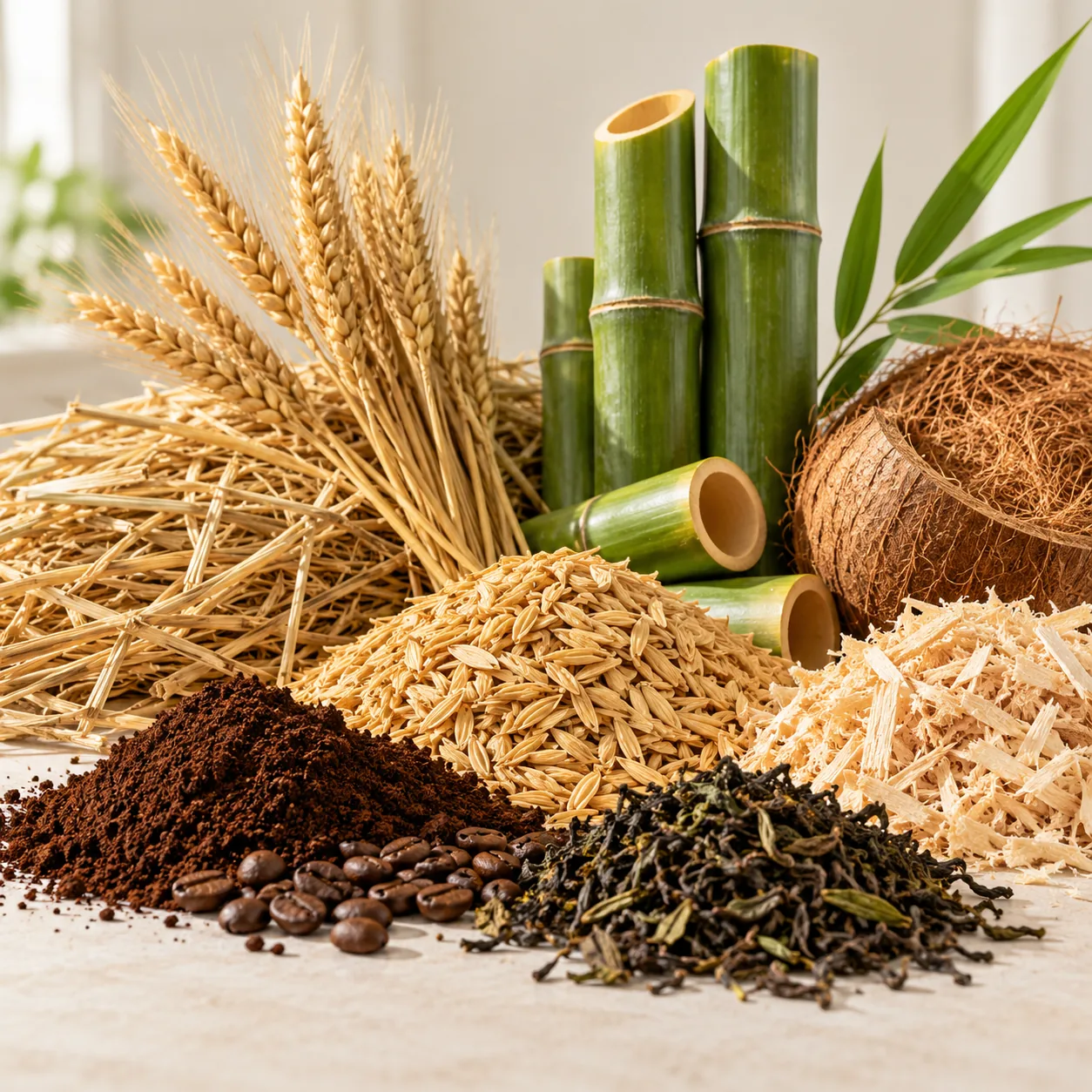
Select suitable fibers from renewable agricultural and forestry resources.
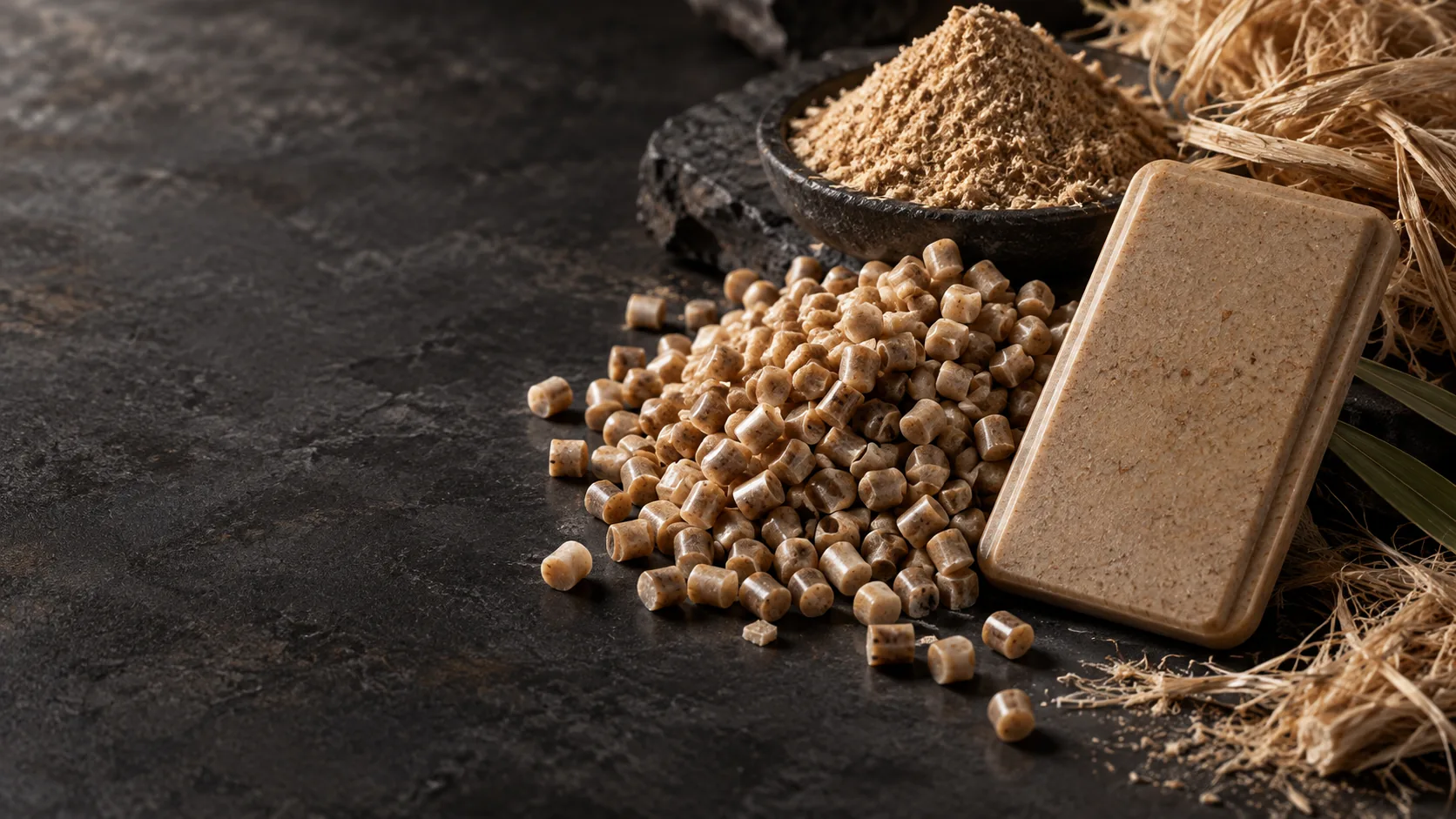
We combine natural plant fibers with petroleum-based polymers to create new materials with a subtle plant aroma and a pronounced fiber texture. Plant fiber type, color, and masterbatch concentration can be customized.
Through purpose-designed extraction and refinement, we recover natural plant fibers and compound them with petroleum-based materials such as ABS, PP, PA and PE. The resulting composite can retain a subtle plant aroma and natural texture while reducing the proportion of conventional plastic. By turning plant resources into practical engineering materials, we aim to offer a new path toward environmental protection, lower carbon emissions, energy conservation and more efficient resource use.
Select suitable fibers from renewable agricultural and forestry resources.
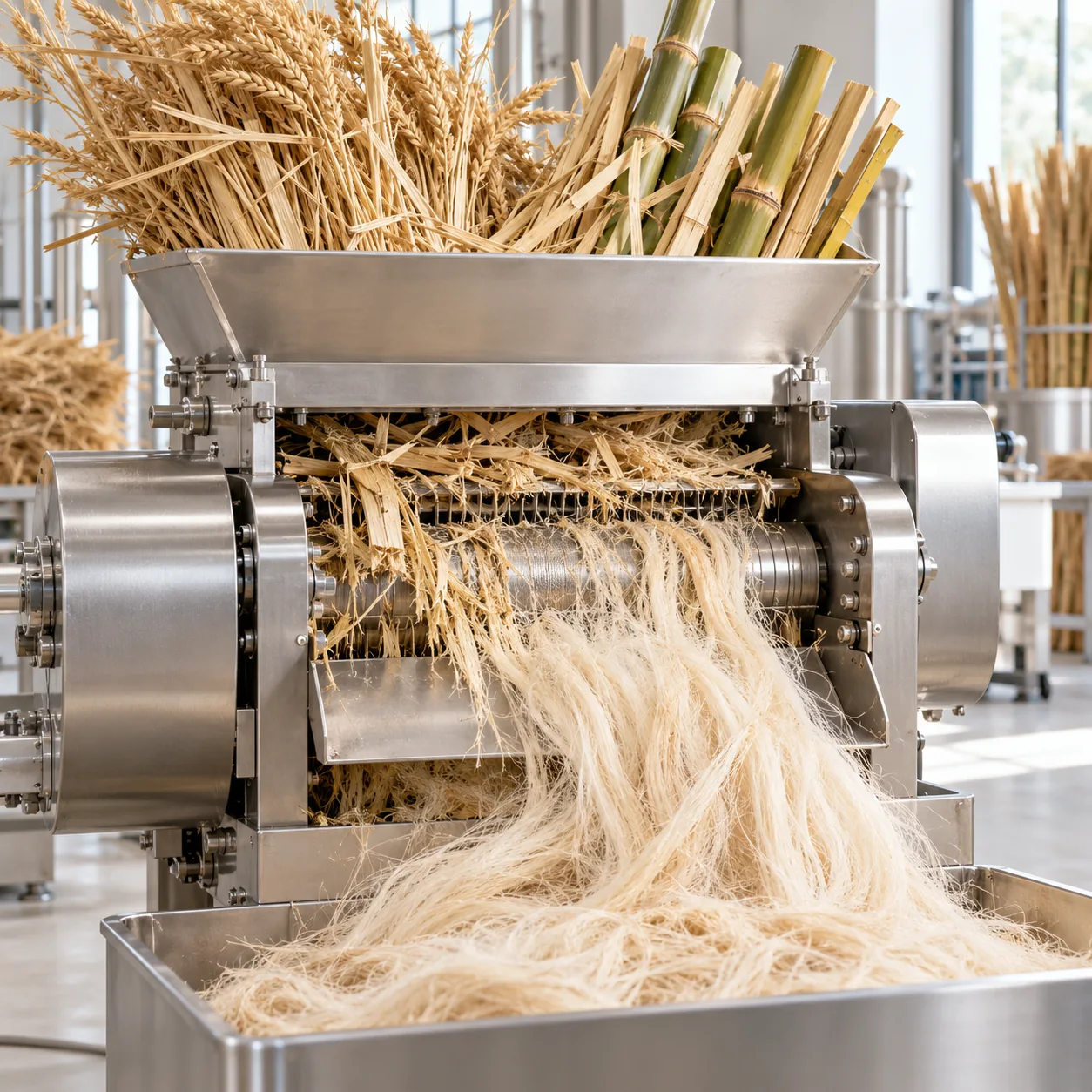
Separate usable plant fibers through controlled mechanical processing.
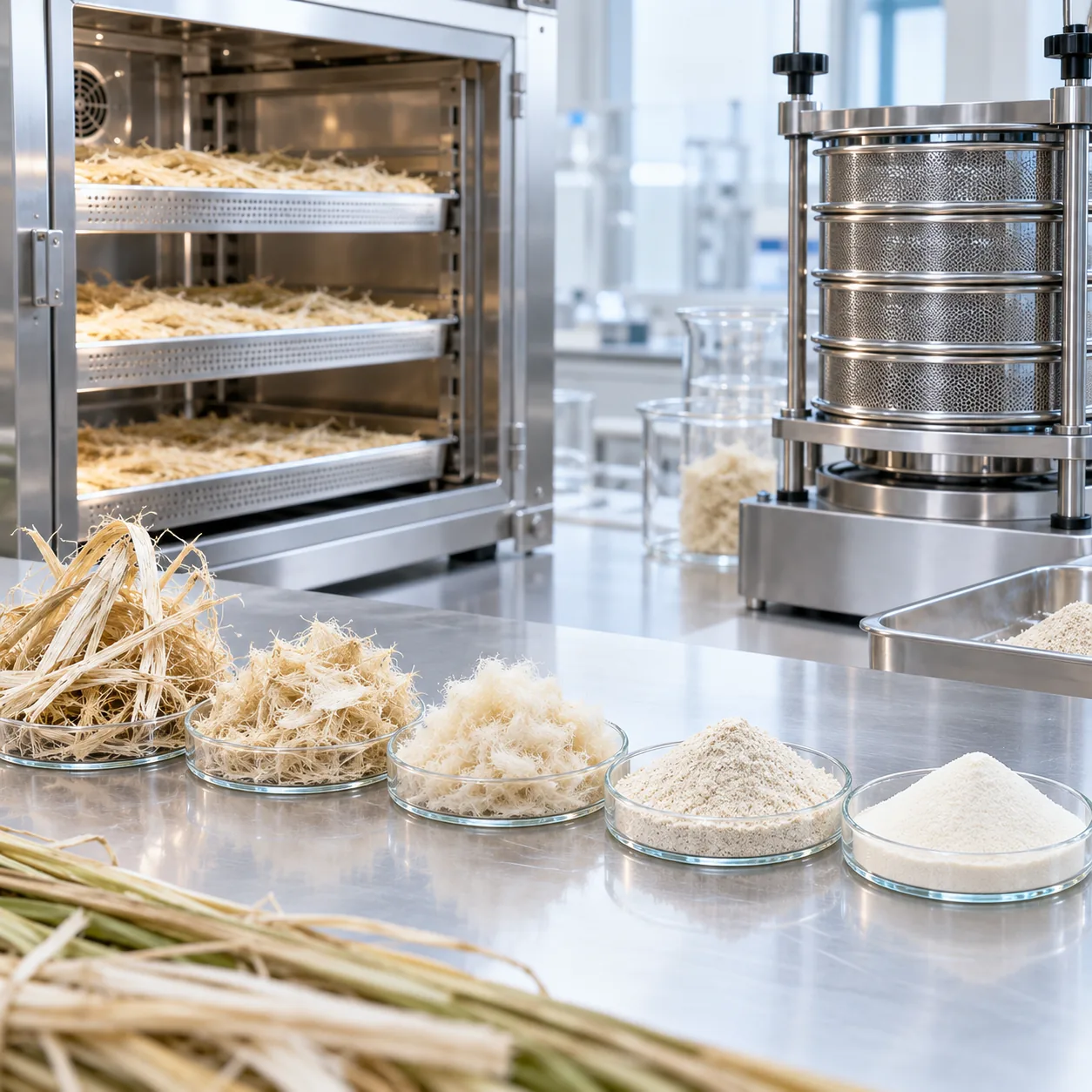
Clean, dry and classify the fibers to control purity, moisture and particle size.
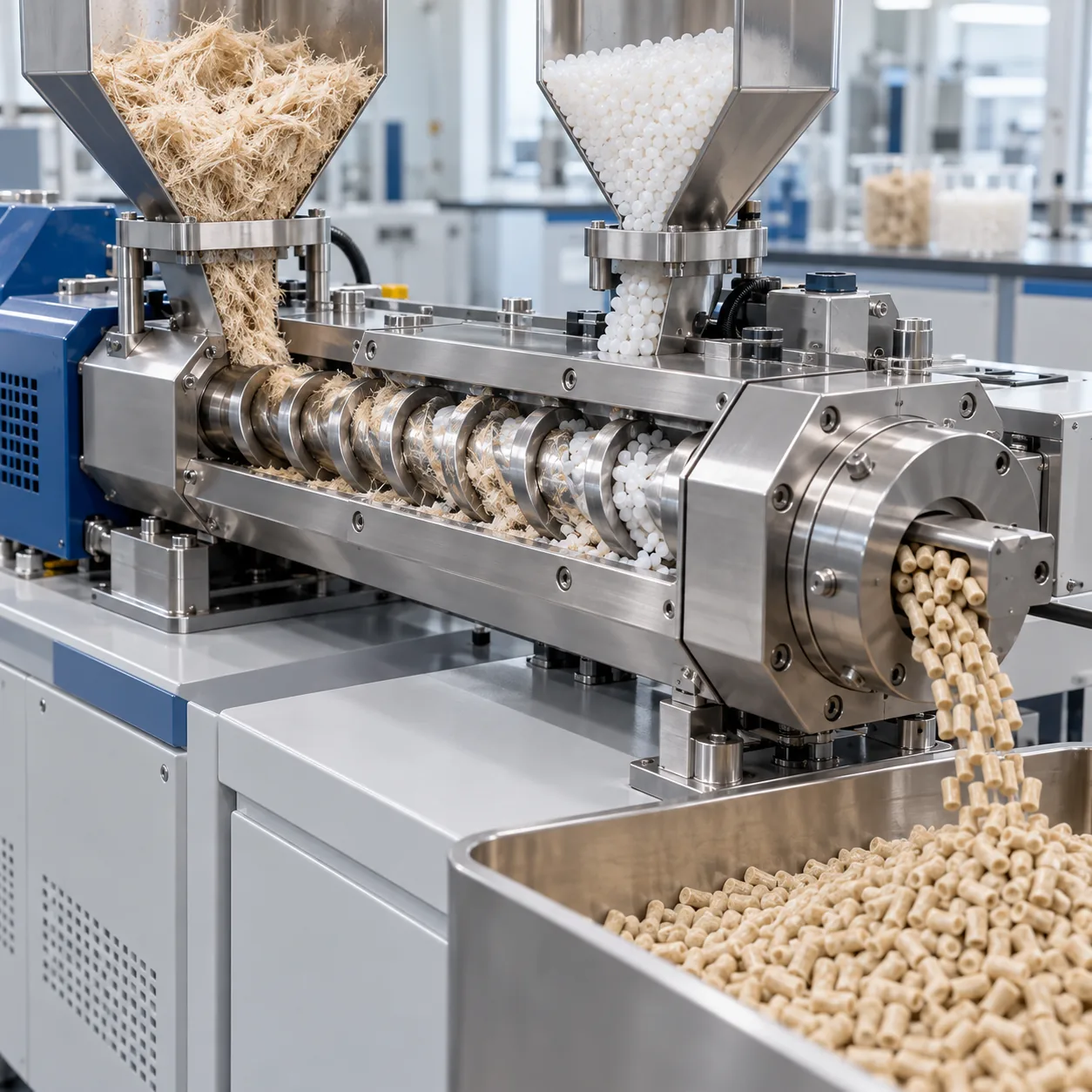
Compound the refined fibers with ABS, PP, PA, PE or other thermoplastics, then pelletize the blend.
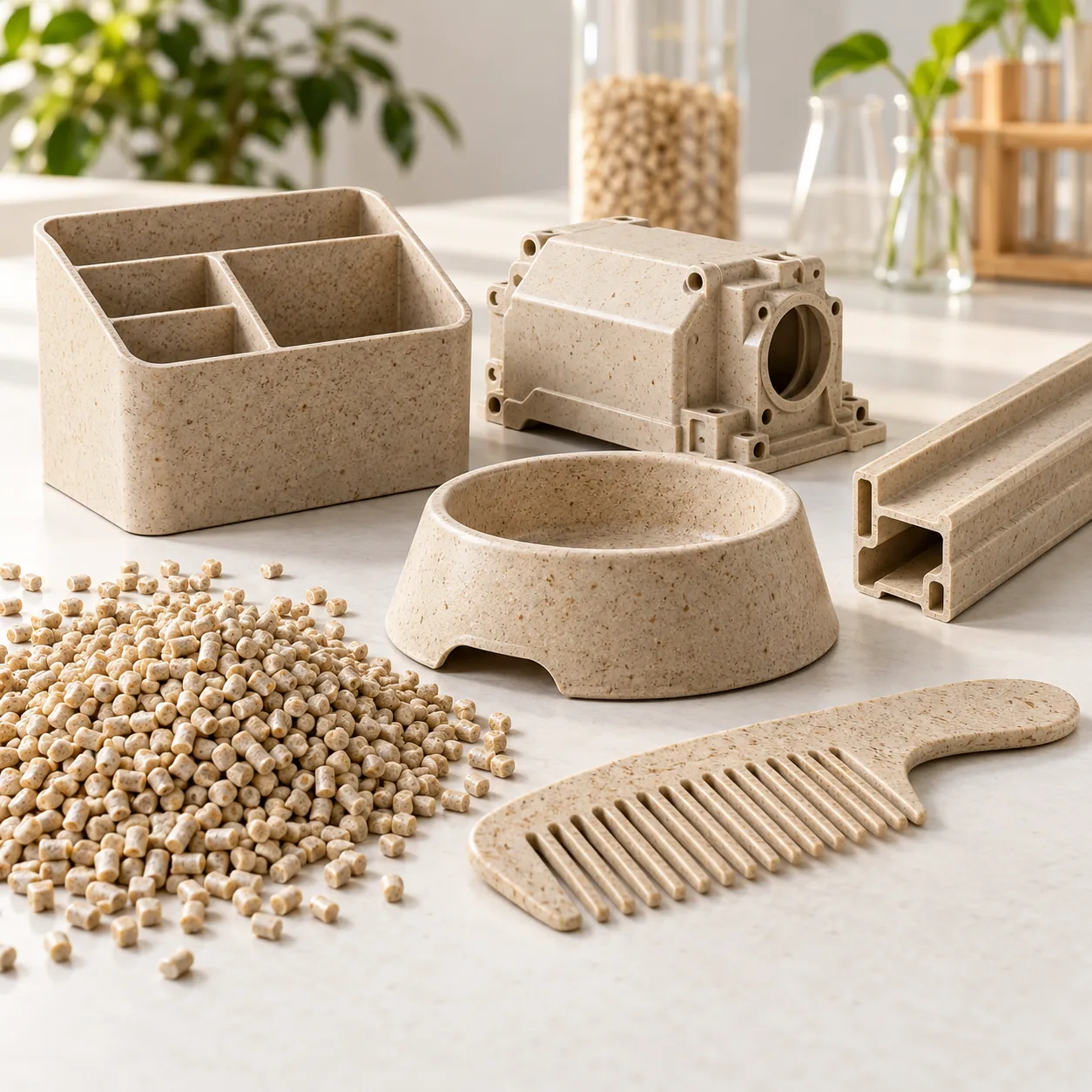
Process the composite pellets by injection molding, extrusion or other methods into finished products.
Browse specific plant-fiber compounds with product-level images and selected physical and mechanical COA values.
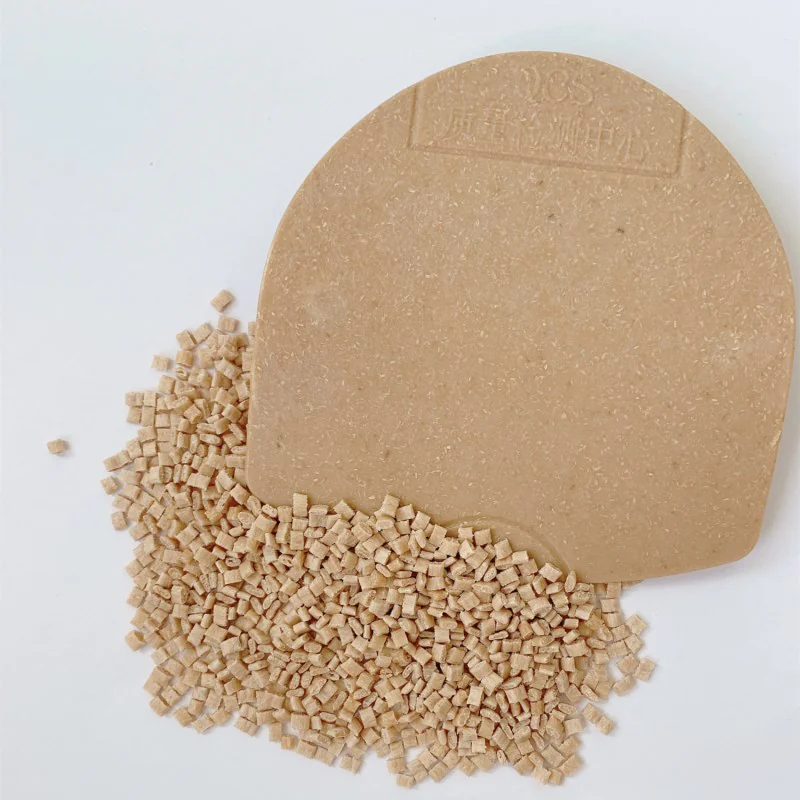 Wood Fiber PP Composite P179302WYC-PP P179302Larger wood particles and a gentle timber aroma give PP a rustic, unmistakably wood-derived surface.
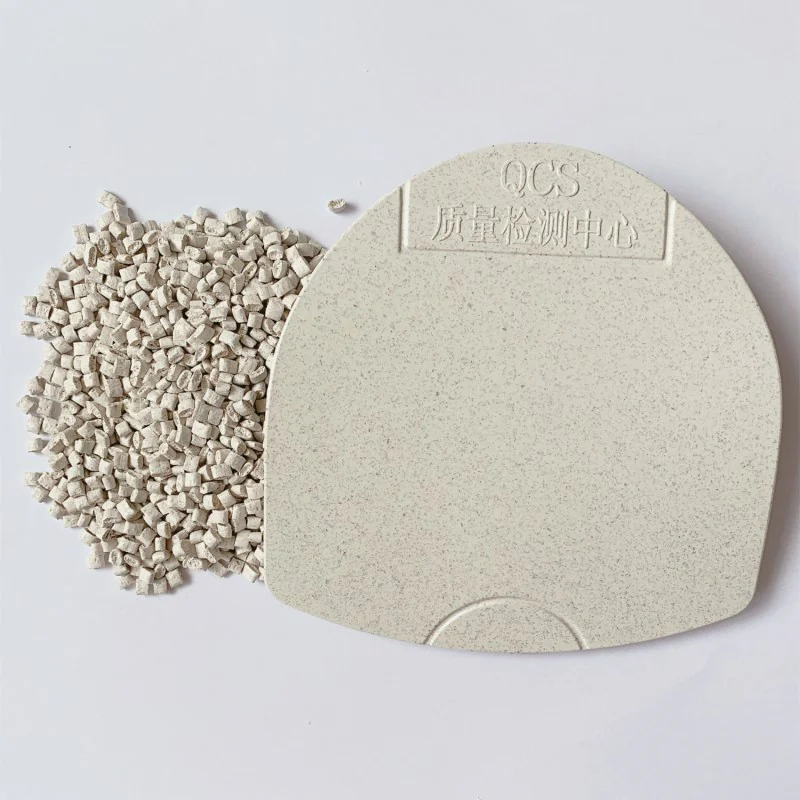 Cereal Fiber PP CompositeWYC-PP P179002NSelected cereal fiber is compounded with PP for a subtle grain aroma and a fine, delicate fiber finish after injection molding.
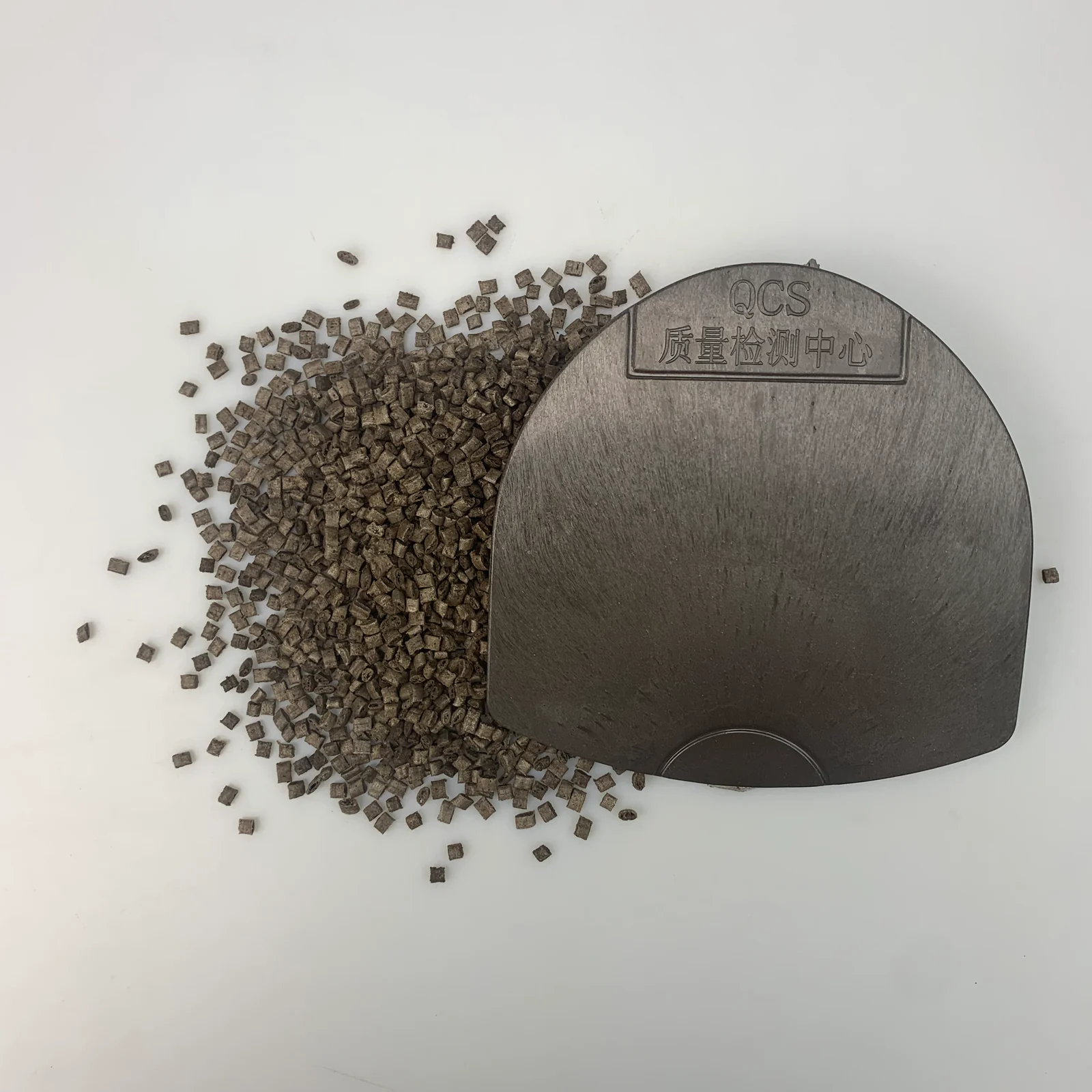 Coffee Ground Fiber ABS CompositeWYC-ABS PA757520A dense, stone-like coffee texture meets the rigidity and sharp definition needed for housings and display pieces.
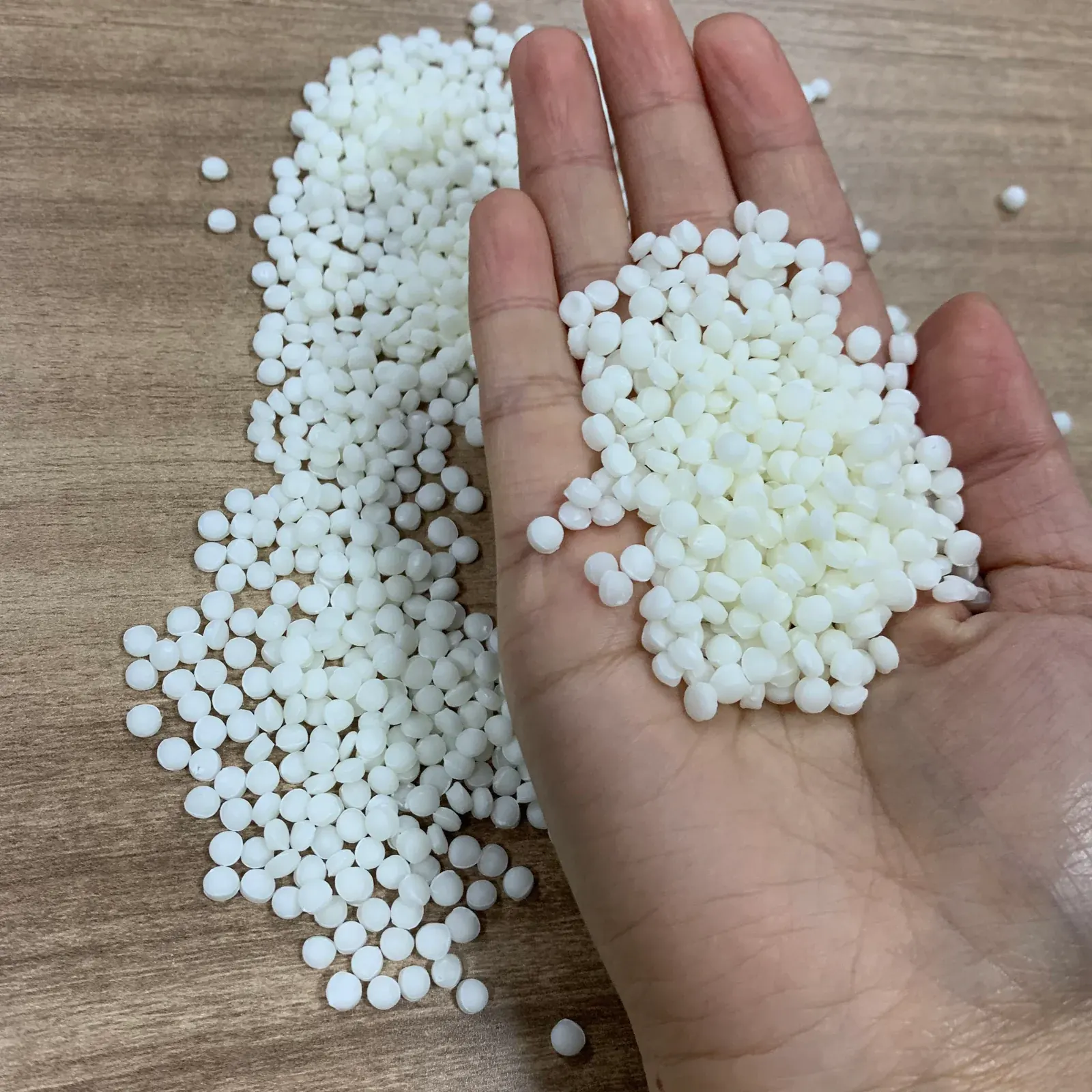 Corn Starch PP CompositeWYC-PP P179103Corn starch creates a pale, smooth surface with almost no visible fiber—ideal for clean, lightweight molded parts.
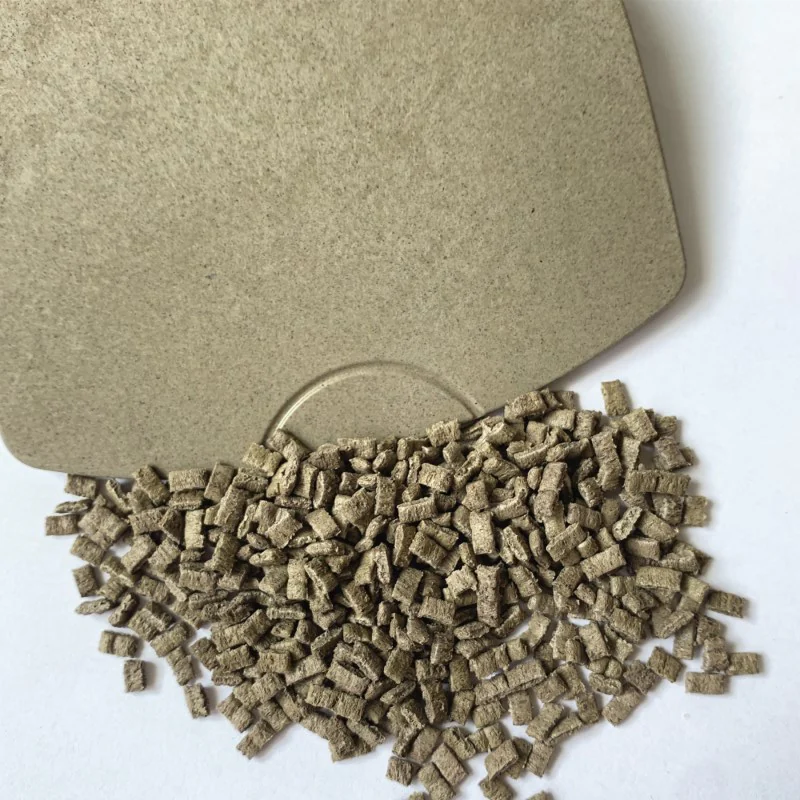 Tea Residue Fiber PP MasterbatchWYC-PP P179CZMLA concentrated botanical additive for tuning tea-leaf visibility, green-gray tone and subtle dried-tea aroma in PP.
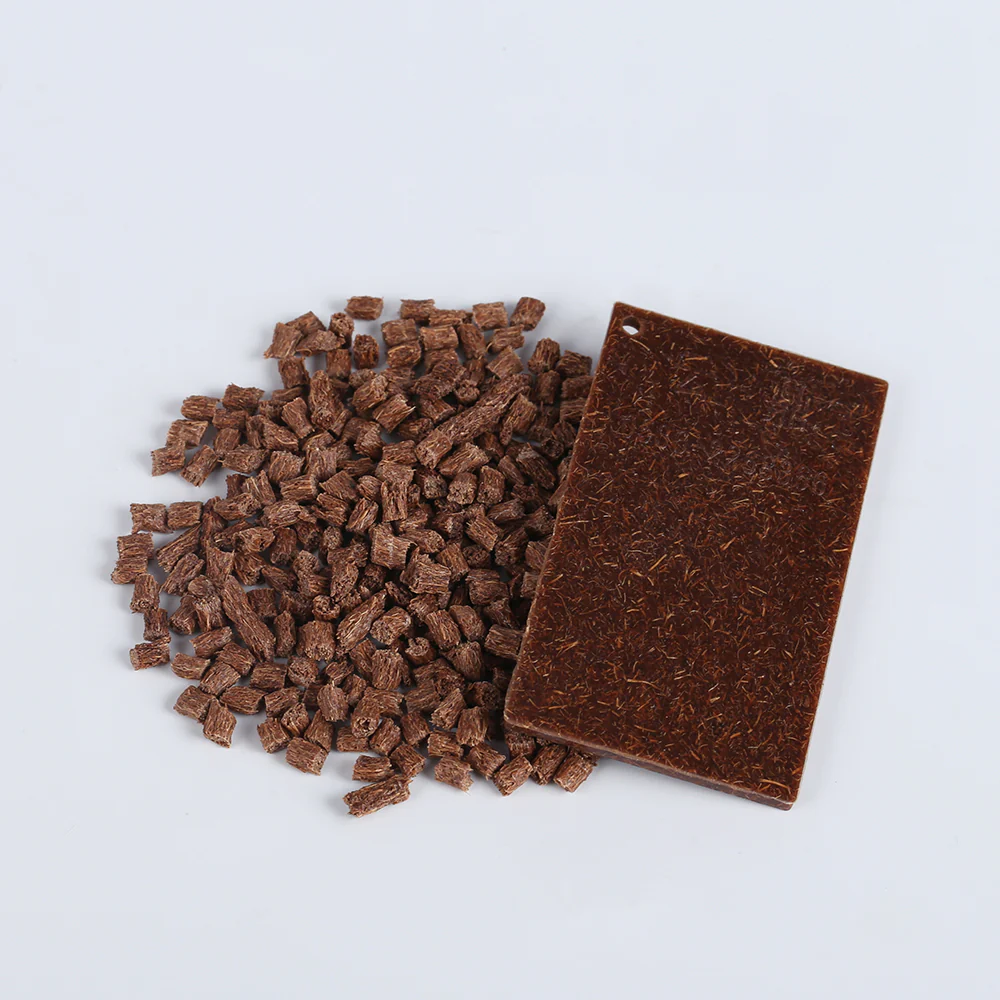 Coconut Fiber PP MasterbatchWYC-PP P179YSMLLong coir streaks and warm brown color give molded PP a bold tropical-fiber identity.
Plant-fiber compounds can support natural texture and adjusted material performance across consumer, household and molded-product applications.

Plant-fiber composite materials for interior trim, consoles and selected molded automotive components.
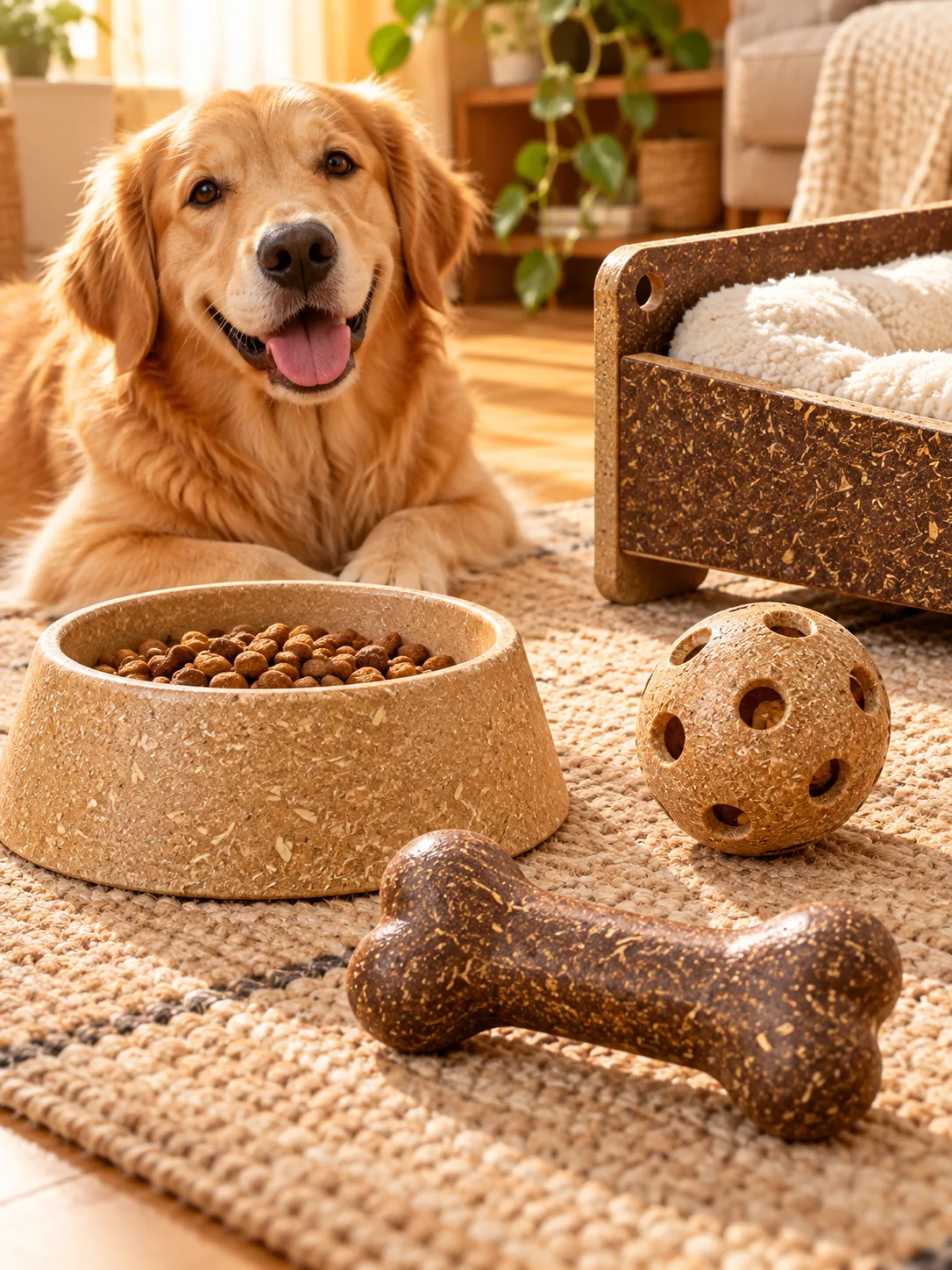
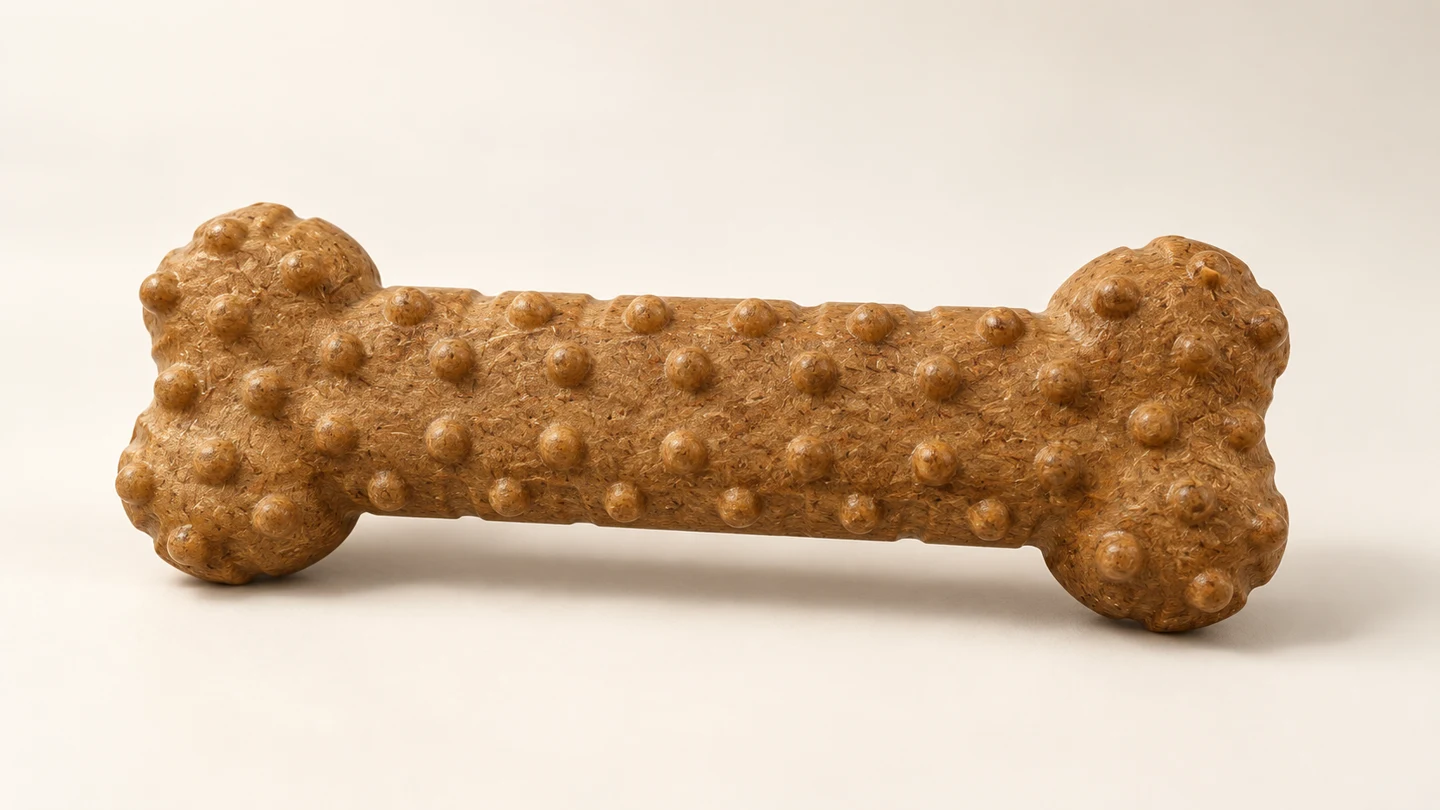
Natural-fiber composite materials for bowls, toys, grooming products and storage accessories.
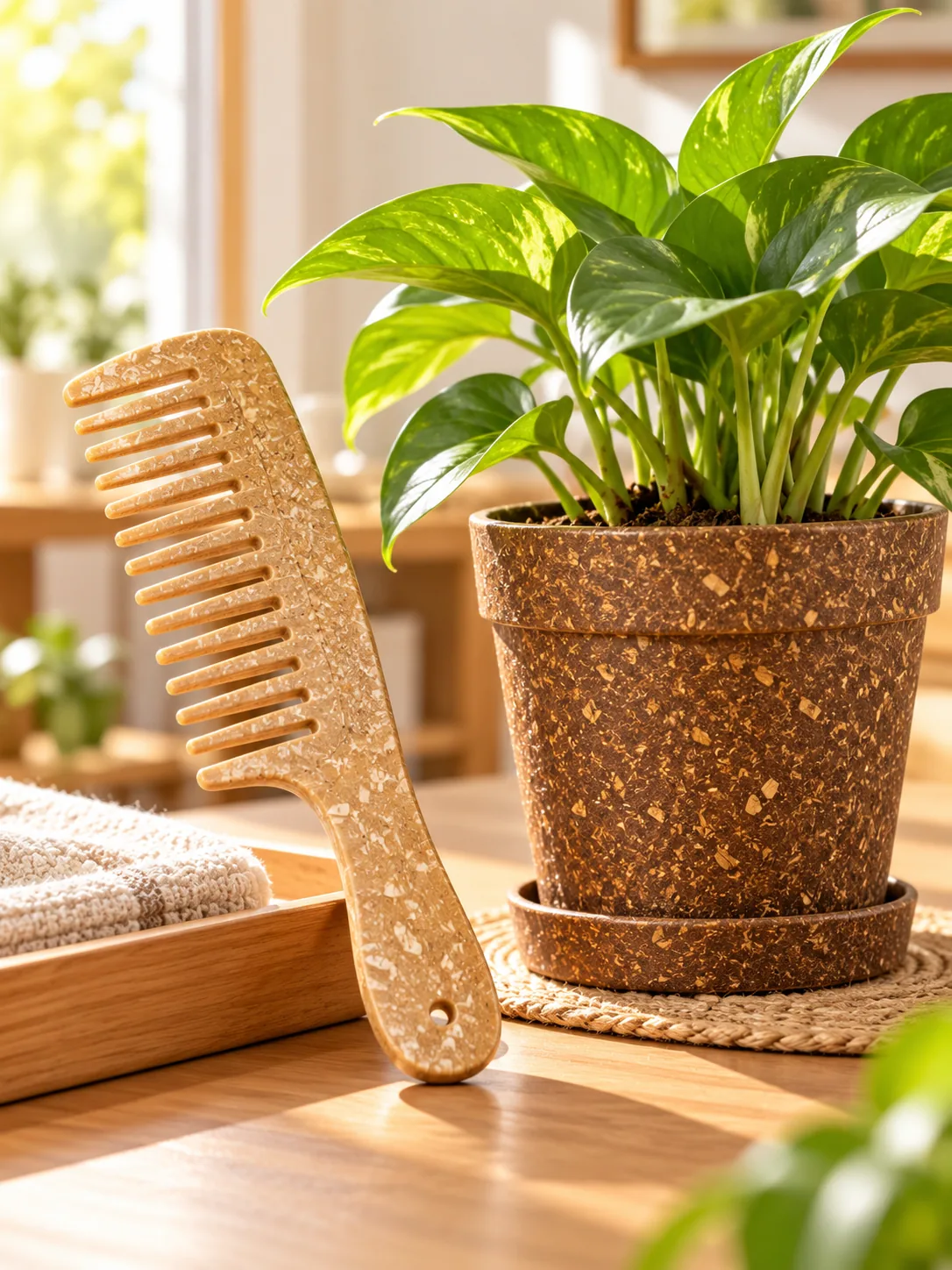
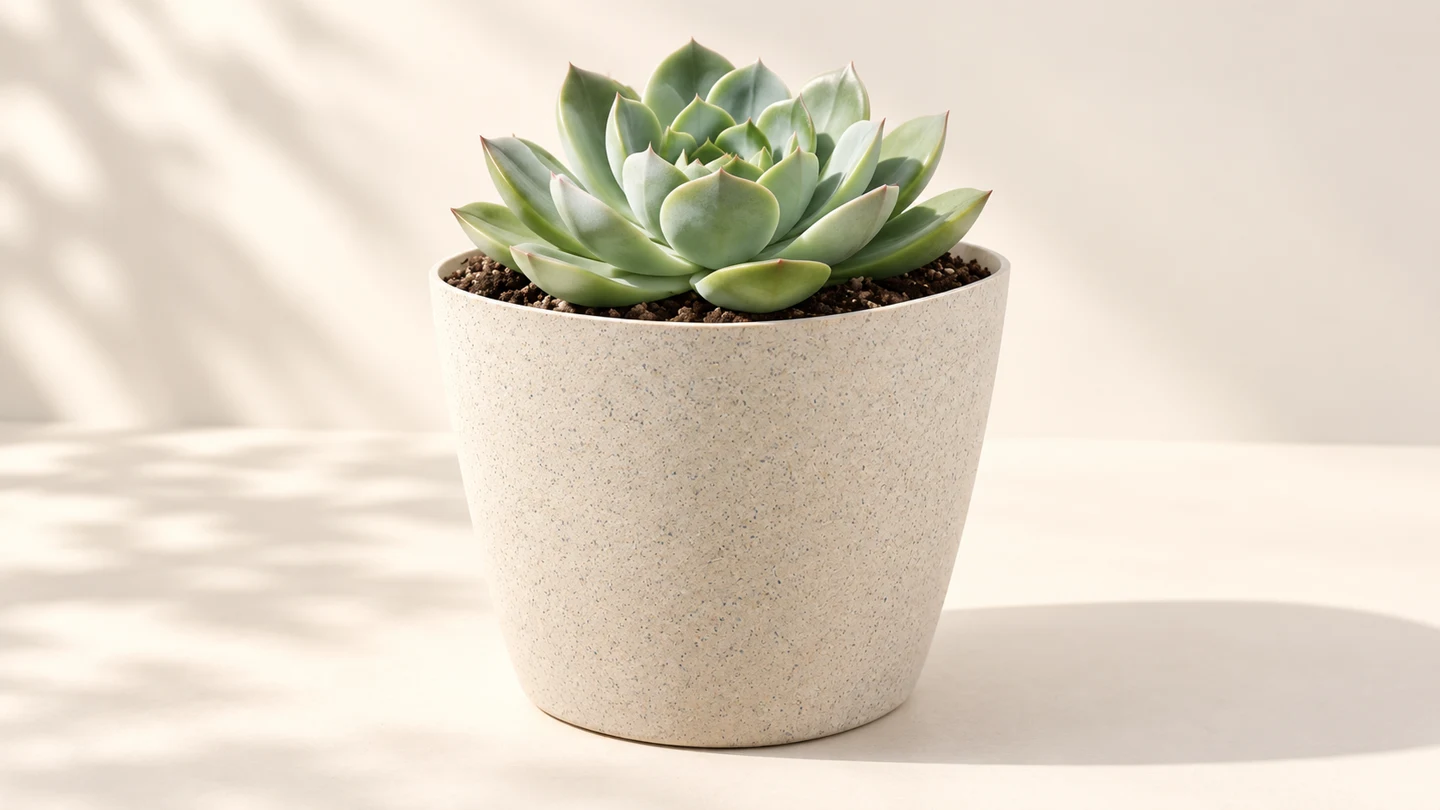
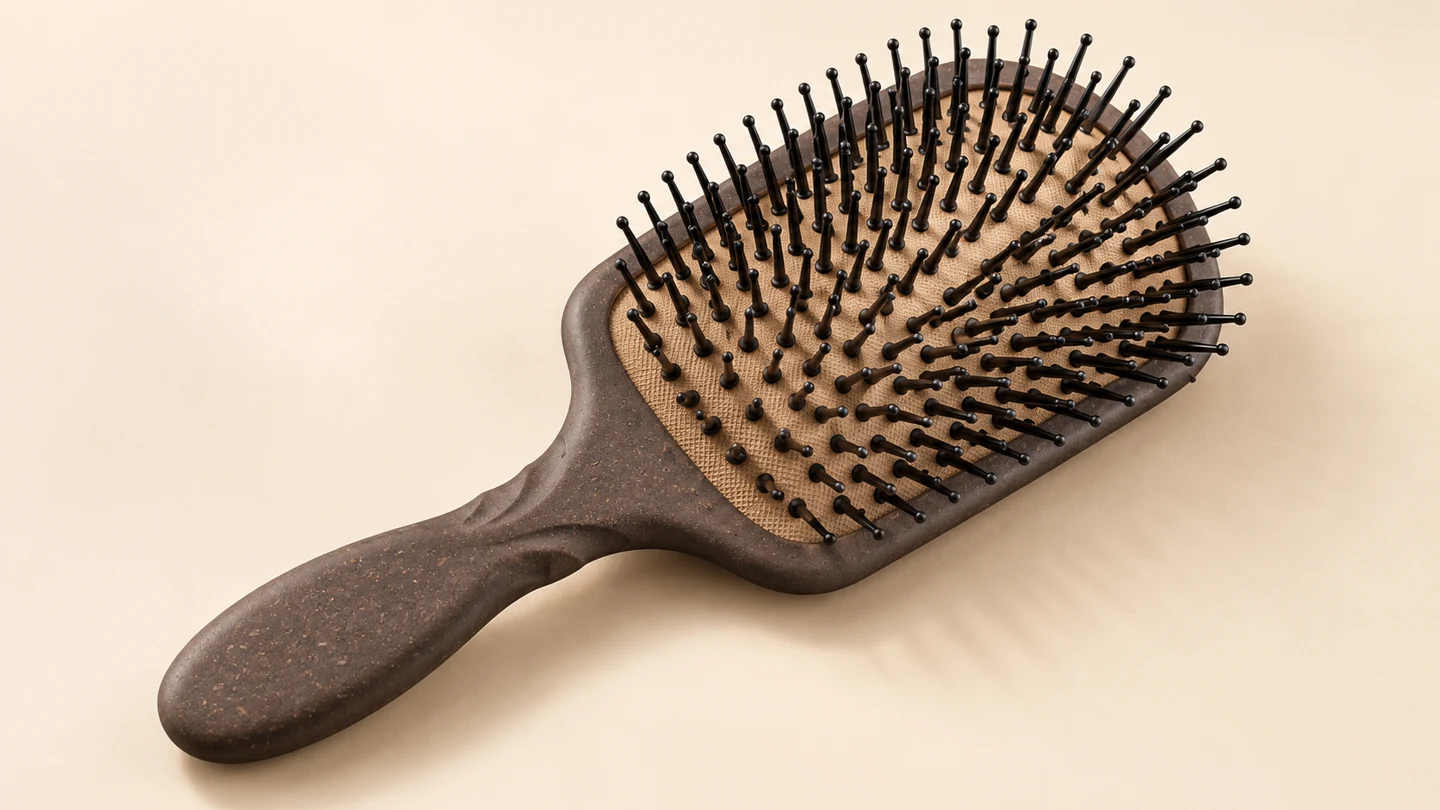
Plant-fiber materials for combs, planters, organizers and other household products.
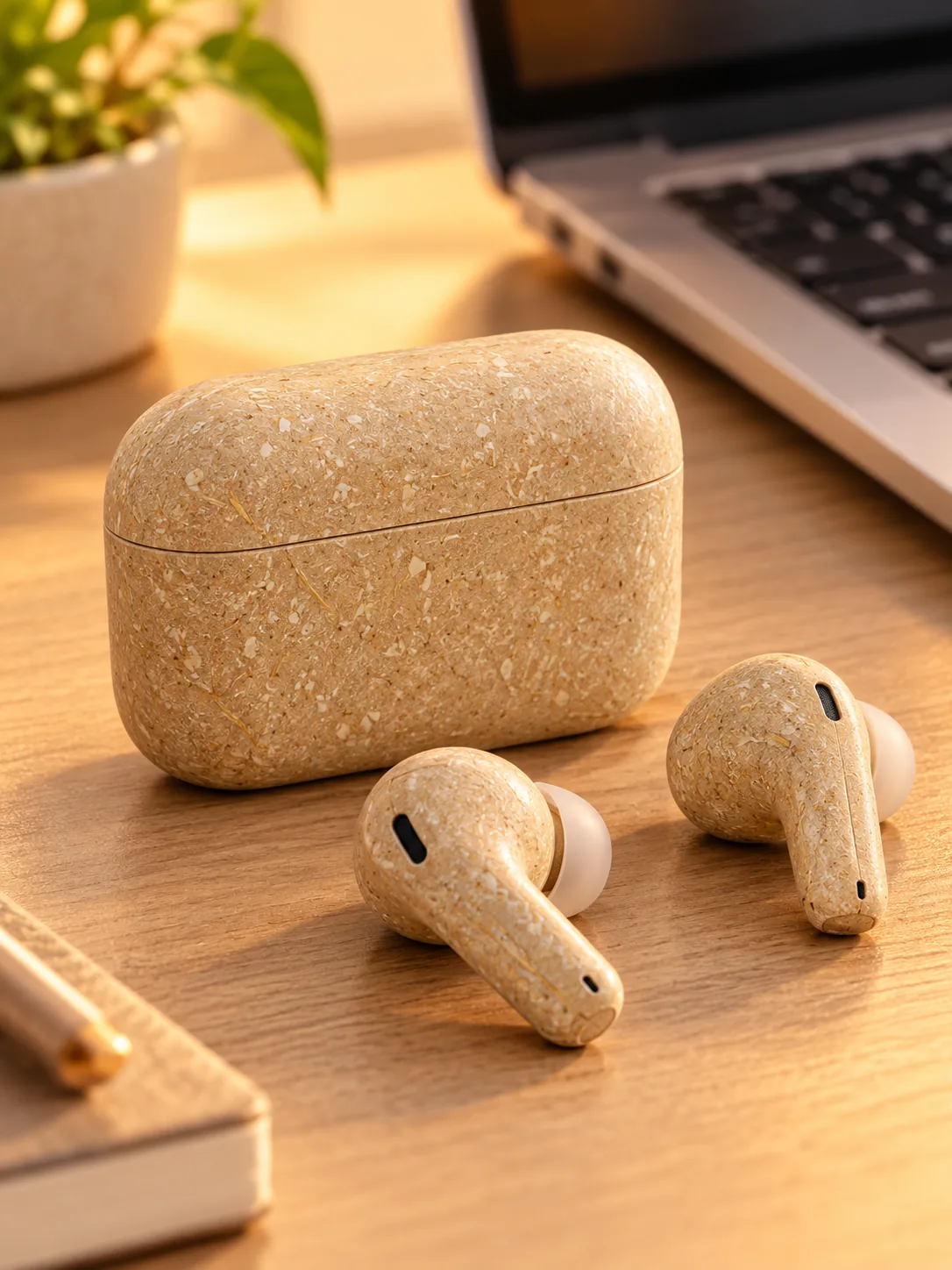
Natural-fiber composite materials for device housings, cases and small electrical accessories.
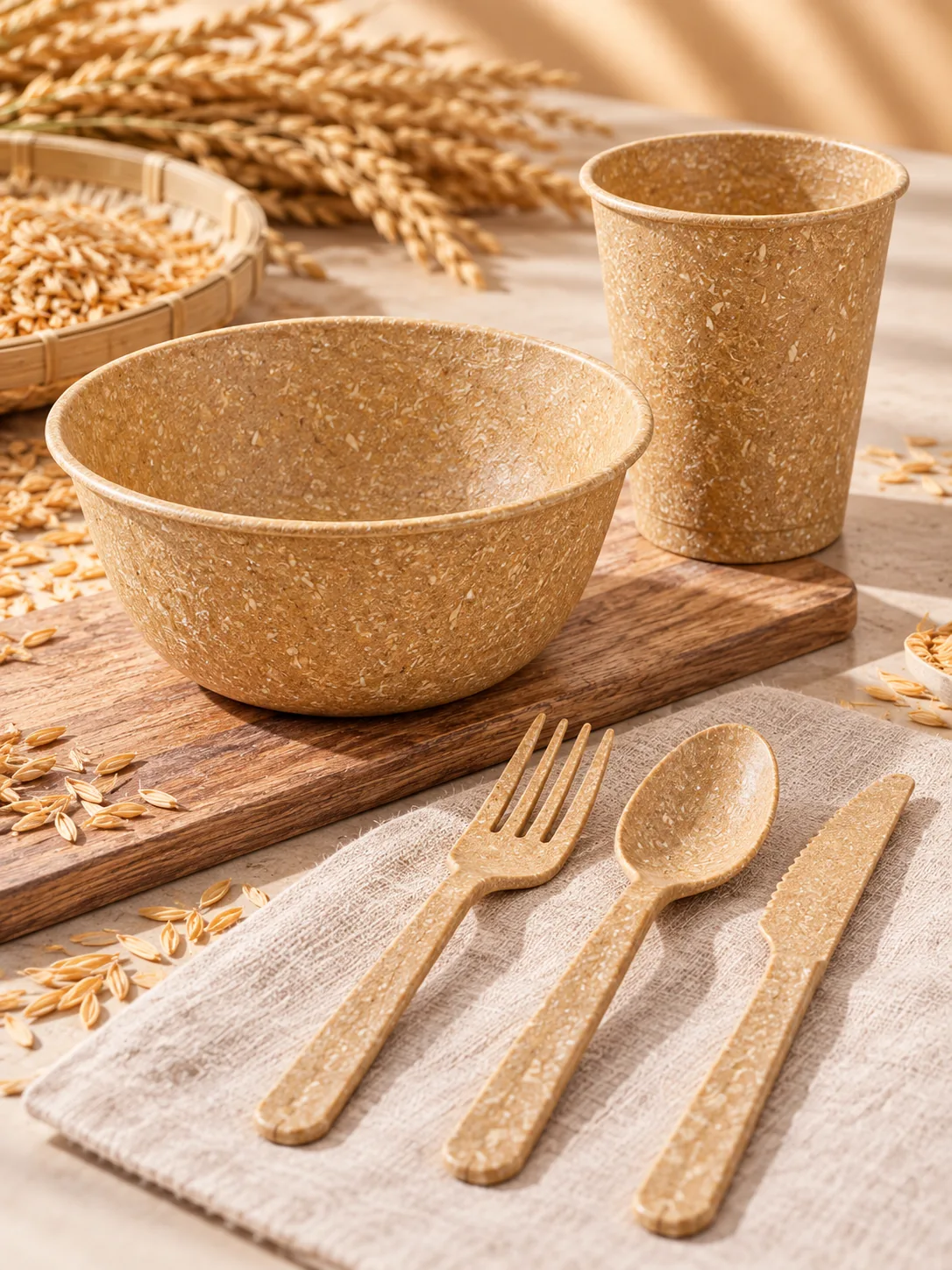
Plant-fiber materials for cups, bowls, cutlery and other single-use products.
We customize fiber type, color, concentration, texture and compliance requirements to suit each product.
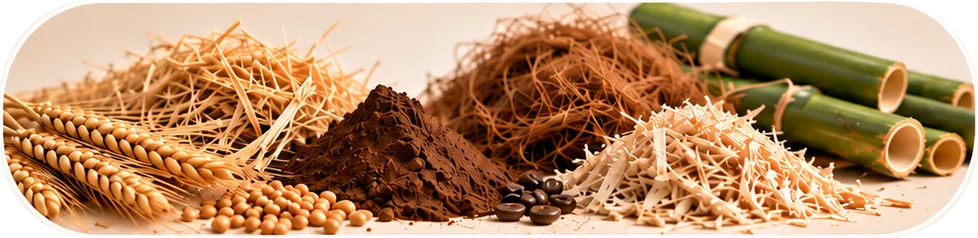
Choose from wheat straw fiber, cereal fiber, bamboo fiber, coconut coir, rice husk fiber, red pine fiber, wood fiber, coffee grounds, tea fiber and other plant sources.
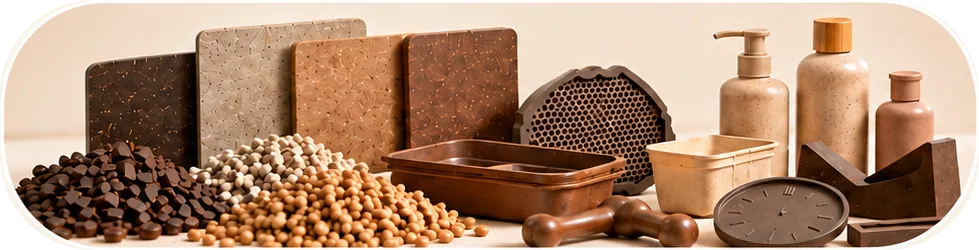
Colors and visible fiber texture can be customized from fine to coarse. Materials can be developed for injection molding, extrusion and other forming processes.
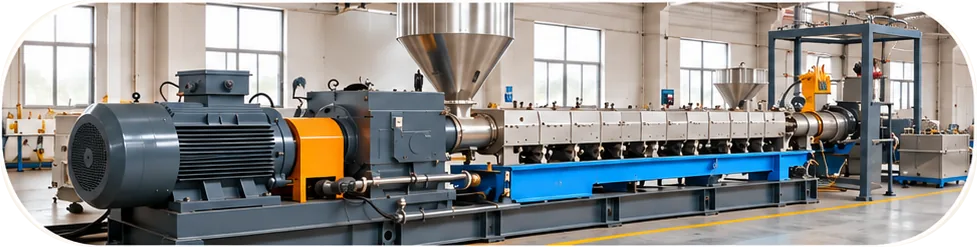
MSDS, RoHS and ISO documentation are available. Food-contact testing and other compliance reports can be provided according to project requirements.
Explore articles on plant-fiber composite processing, material comparisons and application cases to support sourcing and material selection.
 Food-Grade Plant-Fiber Composite Plastics: A Practical Compliance Guide for BuyersWhy a pellet report cannot establish finished-product compliance, and how buyers should control dilution resin, recycled content, colorants, NIAS, processing and use-condition testing.
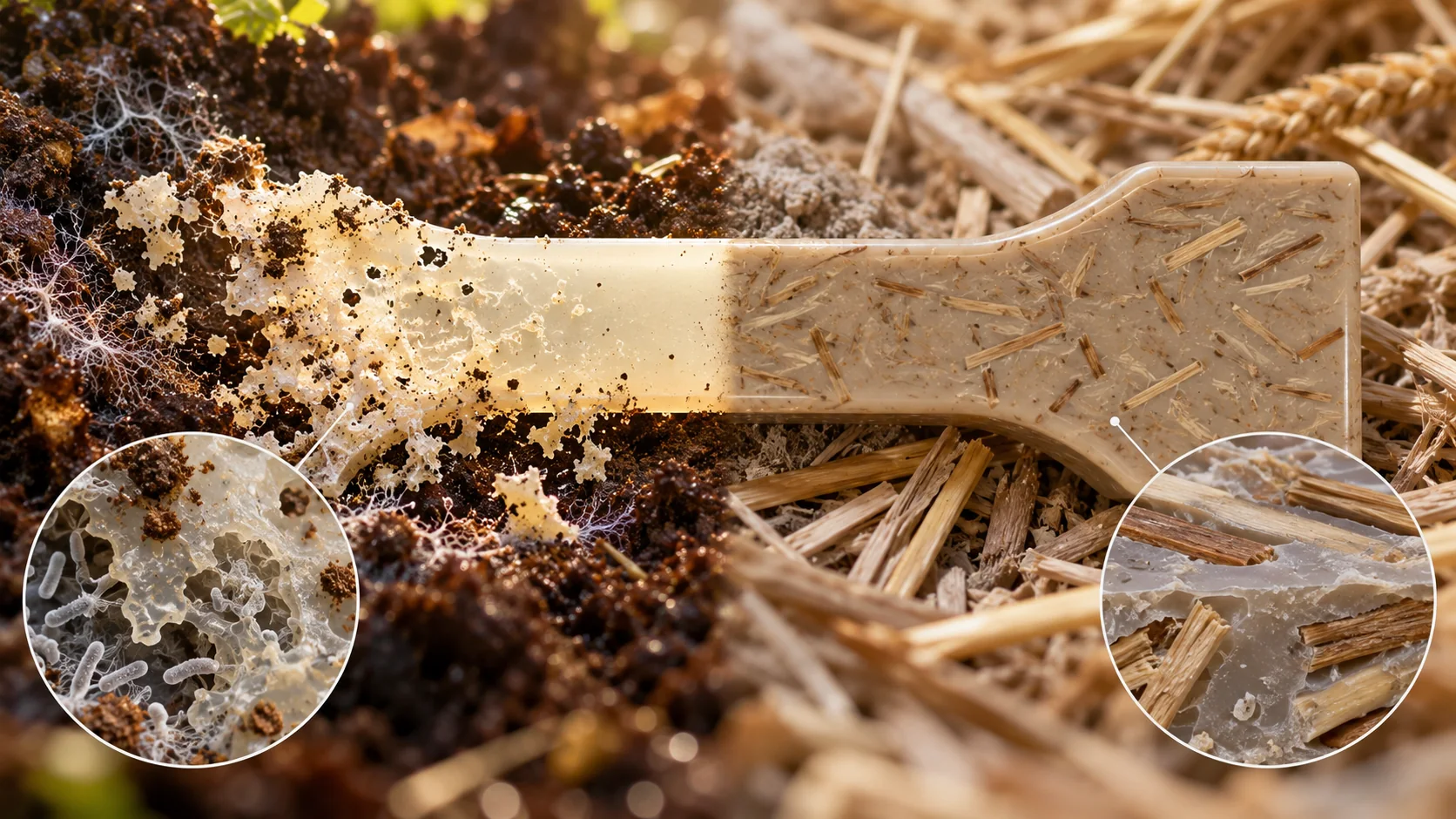 Are Plant-Fiber Composite Plastics Biodegradable or Non-Biodegradable?Separate bio-based content from biodegradability, compare PLA with plant-fiber PP, and understand the test evidence required for compostability or anaerobic-degradation claims.
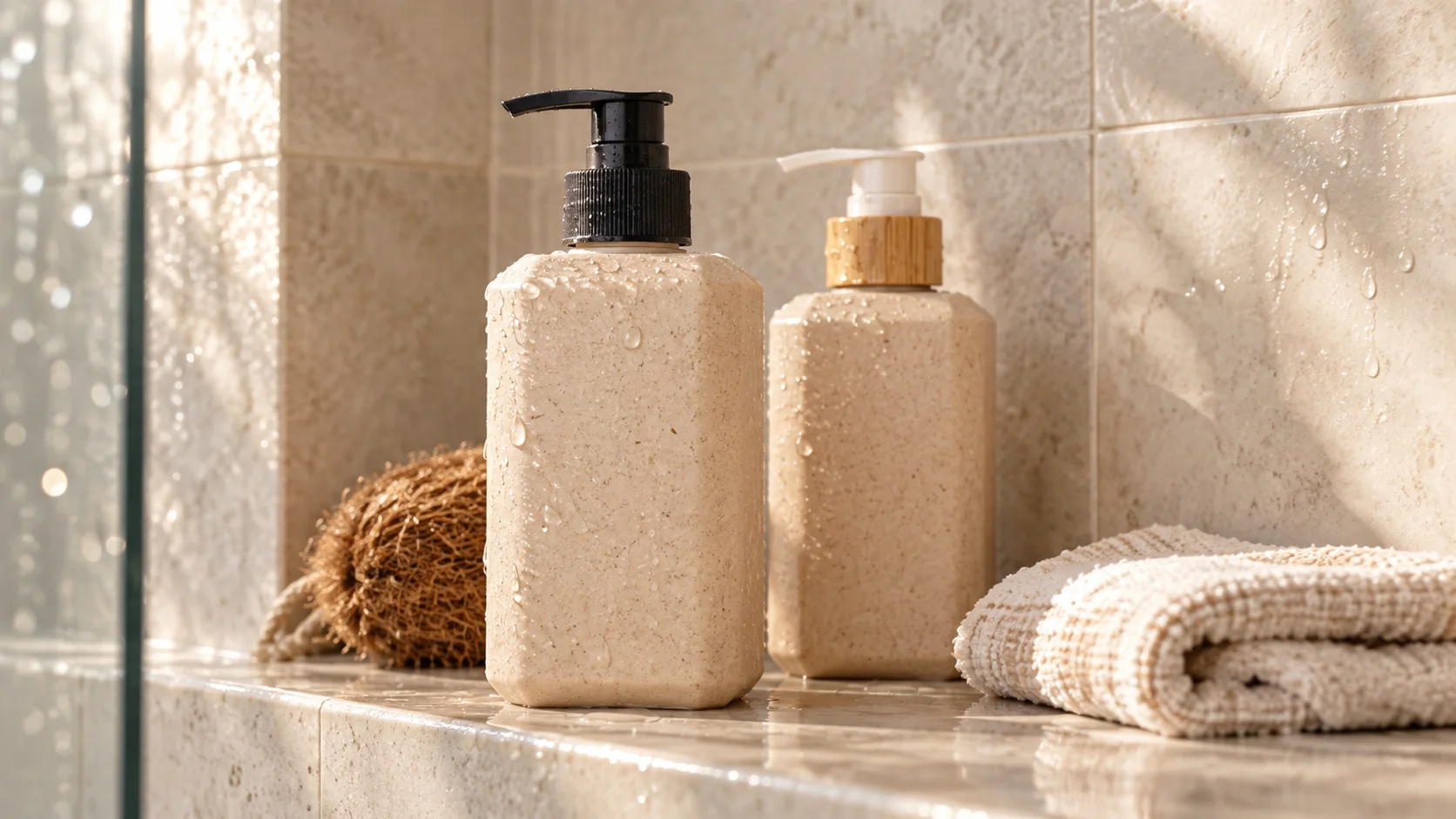 Plant-Fiber Composite PE for Blow-Molded Bottles and Expanded Applications for Coconut-Coir PE MasterbatchA production guide to plant-fiber composite PE for blow-molded personal-care bottles, including parison sag, wall-thickness control, drop testing, and coconut-coir PE masterbatch selection.
Watch the videos to examine product surface details and see how the fiber texture appears under real-world lighting.
Contact
Share your fiber source, base resin, target properties and application for grade selection and sample validation.